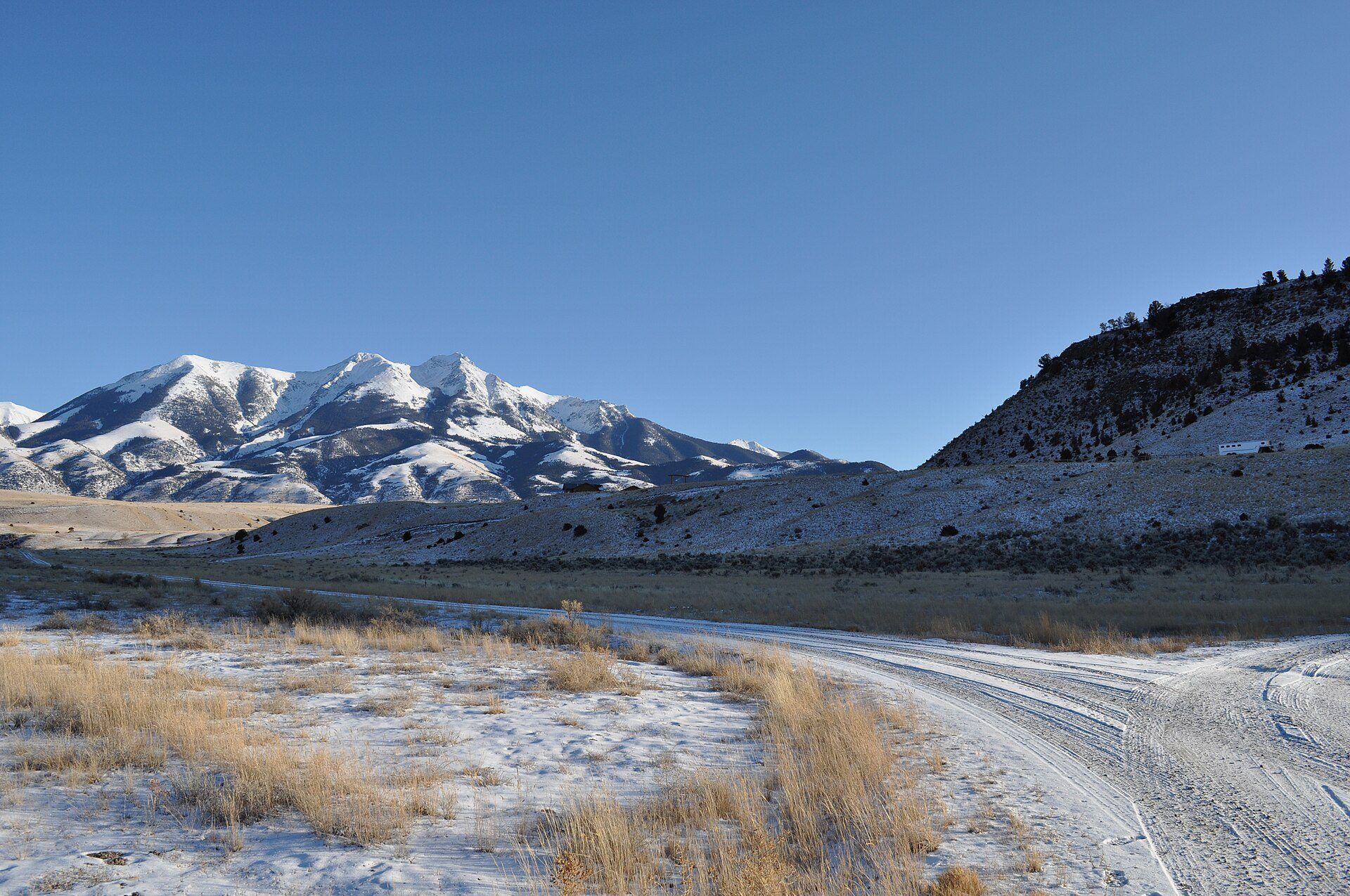
Living in Emigrant
Paradise Valley land, river views, and wide-open space.
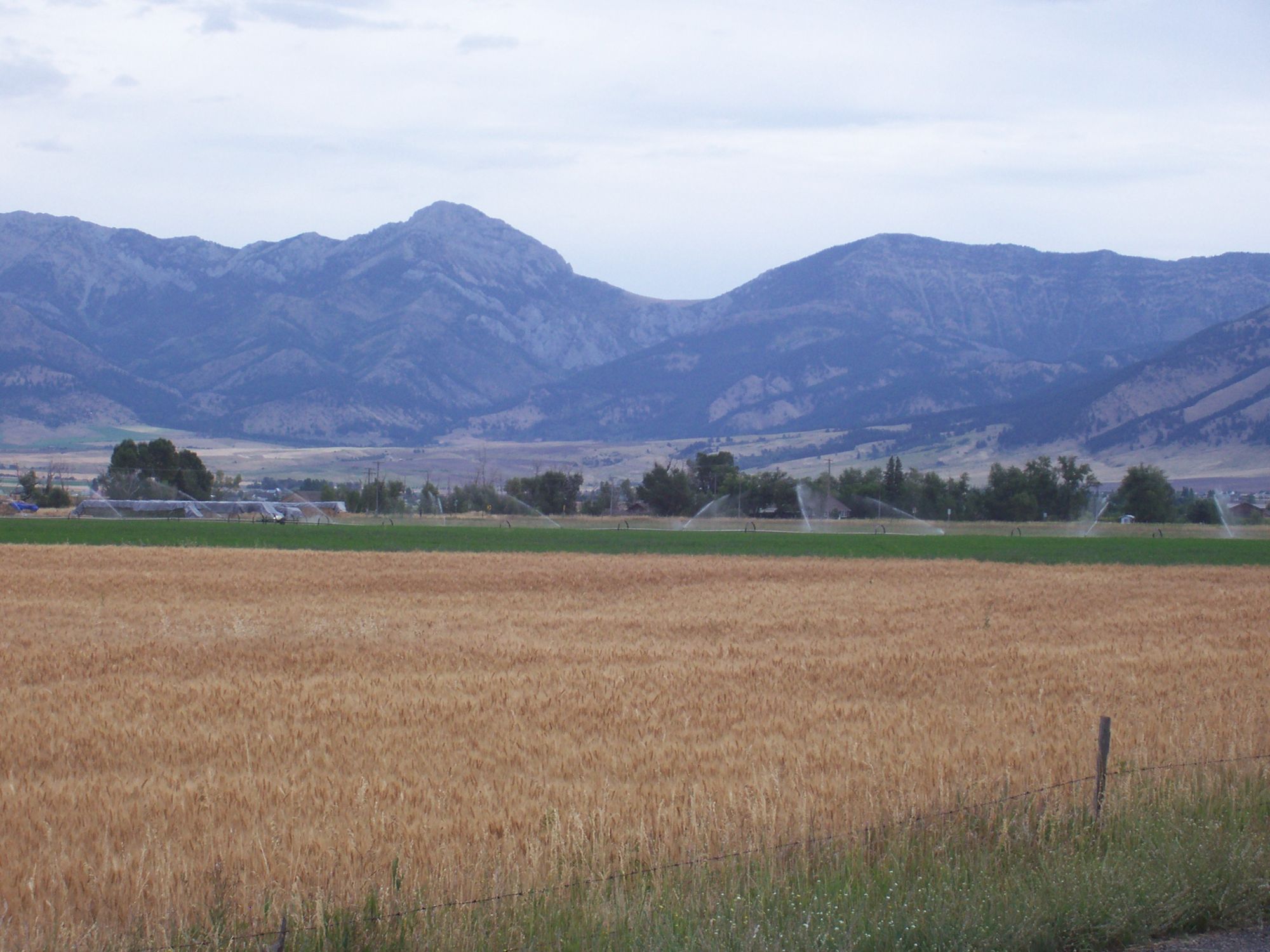
The short answer: Emigrant is a rural community in the middle of Paradise Valley, below Emigrant Peak, with the Yellowstone River running through. It is a premium land market for buyers who want privacy, views, and acreage more than convenience. 2026 listing data showed a median list price around $2.39 million, though modest homes come in well below that.
Paradise Valley is the roughly 50-mile corridor along the Yellowstone River from Livingston south to Gardiner and Yellowstone’s north entrance. Emigrant sits near the middle. Livingston is about 25 minutes north for groceries, the hospital, and schools. Yellowstone’s north entrance is about 30 minutes south. Bozeman is about an hour away via Livingston and Bozeman Pass.
What is in Emigrant?
Emigrant is a community rather than a town. You will find the Emigrant General Store, a handful of restaurants, river access points, and Chico Hot Springs a few minutes away in neighboring Pray. Most daily services are in Livingston. That quiet is the appeal for many buyers, and an adjustment for people coming from cities or suburbs.
What residents love most:
- Big, uninterrupted views of the Absaroka Range.
- Fly fishing, floating, and wildlife on the Yellowstone River.
- Trailheads into the Absaroka-Beartooth Wilderness and Gallatin National Forest.
- Dark night skies and real quiet.
Land and home prices
Based on 2026 listing data and local reporting, Emigrant homes carried a median list price around $2.39 million, at about $637 per square foot. Park County land had a median listing of about $21,700 per acre. Working ranch land outside the Yellowstone corridor ran about $3,000 to $7,000 per acre, while recreational land near wilderness or the river can exceed $20,000 per acre. Park County homes were taking much longer to sell in 2026 than a year earlier, which gives buyers more negotiating room.
The realities of rural living
- Errands: groceries, pharmacies, and the hospital are about 25 minutes away in Livingston. Residents plan one or two trips a week.
- Cell, internet, and power: coverage varies across the valley. Many homes use fixed wireless or satellite internet, and outages are more common than in town.
- Schools: options in the valley are limited. Map bus routes for any property you consider. High school students typically travel to Livingston.
- Winter: Highway 89 is generally well maintained, but long private driveways need a plowing plan.
- Wildlife: elk, deer, bears, and wolves live here. Bear-safe trash storage and smart fencing are part of being a good neighbor.
What to check before buying land
- Water: well logs, flow tests, water quality, and any water rights.
- Septic: inspection and permitted bedroom count.
- Access and easements: confirm legal access and review road, utility, and conservation easements.
- Conservation easements: some land is protected in ways that limit building or subdivision.
- Floodplain and fire risk: both affect insurance and where you can build.
- Rentals: confirm what zoning and covenants allow if you plan to rent part of the year.
Primary home or second home?
Many Paradise Valley buyers are buying a second home. Under Montana’s 2026 property tax system, primary residences with homestead status pay lower rates, while second homes and short-term rentals pay a higher rate. On a high-value property, the difference is large.
Emigrant may fit if you want
- Land, privacy, and views more than convenience.
- A home base without a daily commute.
- Fishing, hunting, hiking, and wildlife out your door, and you are comfortable being self-reliant in winter.
If you want similar scenery with more convenience, Livingston puts Paradise Valley right outside your door with town services.
Buying land in Paradise Valley
Rural property is where a local guide matters most. On a scouting day, I cover several properties along the valley with stops to test cell coverage and drive the access roads. If you are buying from a distance, I walk the land with you on video, review well and septic records, and coordinate inspections. Read more in Emigrant and Paradise Valley: Is Rural Montana Living Right for You?
Montana is a non-disclosure state, so sale prices are not public record. Medians vary by source, month, and property type. For a specific home, I pull recent comparable sales from the MLS.
Highlights
Acreage, privacy, quiet, and big views, for a primary or second home.
Tradeoffs
The highest prices per acre, a 25-minute drive for groceries, spotty cell service, and limited schools.
Emigrant questions
What is the median home price in Emigrant, MT?
Around $2.39 million (median list price, 2026 listing data). Prices vary by property type and month, so I pull current comparable sales for any home you are considering.
How far is Emigrant from Bozeman?
About an hour to Bozeman. Allow extra time in winter storms.
What does Emigrant offer homebuyers?
Acreage, privacy, quiet, and big views, for a primary or second home.
Can I buy a home in Emigrant without visiting?
Yes. I offer live video tours and remote closings, and I can also plan a focused visit if you would rather see Emigrant in person first.
Emigrant guides
Emigrant and Paradise Valley: Is Rural Montana Living Right for You?
Emigrant is a small community in the heart of Paradise Valley, about 25 miles south of Livingston on Highway 89, with the Absaroka Range on one side, the Gallatin Range on the other, and the Yellowstone River running between them. It is one of the most beautiful places to live in Montana and one...
Living in Gardiner, MT: What It's Really Like at Yellowstone's Front Door
Gardiner is a town of roughly 900 people at Yellowstone National Park's north entrance, the only park entrance open to cars all year. Living there means elk on the lawn, the Roosevelt Arch down the street, and world-class wildlife viewing minutes away. It also means a seasonal tourism economy,...
Curious about Emigrant?
Book a free call and I will walk you through neighborhoods, current listings, and what your budget buys.
Talk About Emigrant